
Trade
Insulation Services in Saskatoon
Insulation detailed for Saskatchewan winters: walls, attics, basements and the junctions where heat actually escapes.
Overview
Heat leaves through the gaps, not the middle of the wall
Insulation value on paper assumes continuous, uncompressed installation. In practice most heat loss happens at rim joists, service penetrations and junctions where the detail was rushed.
In a climate with the temperature range Saskatchewan has, air sealing and detailing matter as much as the stated R-value of the product.
What this solves
- 01Rooms are cold or draughty despite the heating running
- 02Heating costs are higher than the size of the house suggests
- 03Existing insulation is old, compressed or was never completed
Scope
What is included
Wall insulation
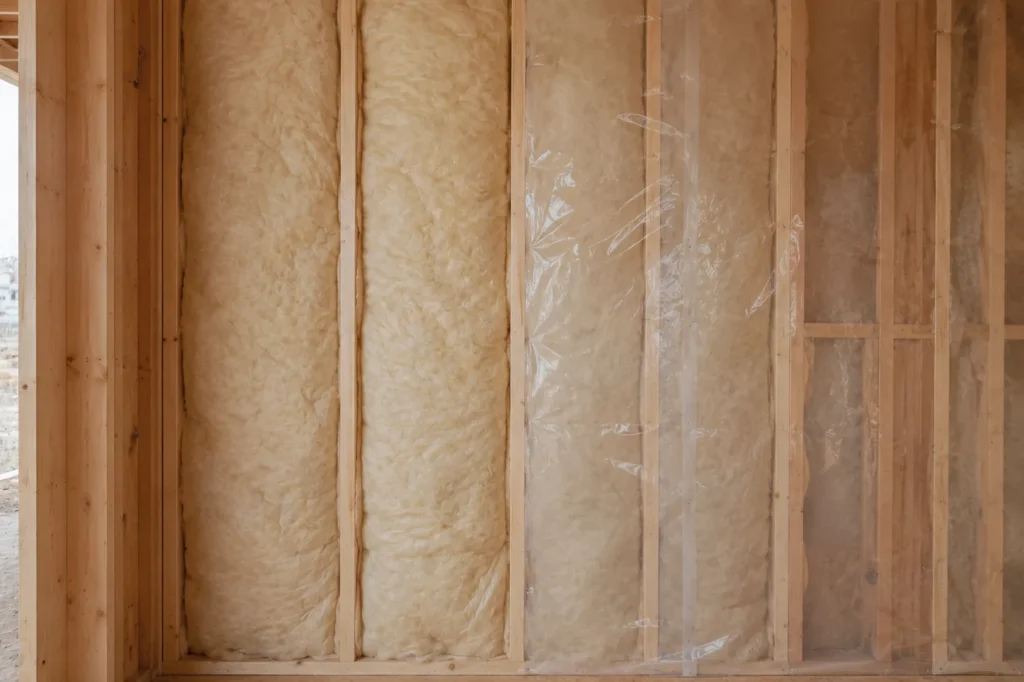
New construction, renovation and additions, installed uncompressed and continuous.
Attic insulation
Topping up or replacing attic insulation, with attention to ventilation and hatch detailing.
Basement and rim joist
The rim joist is one of the largest single heat-loss paths in a Saskatchewan house and is routinely missed.
Air sealing
Sealing penetrations and junctions so the insulation can perform as specified.
Vapour control
Detailed correctly for the climate, because getting this wrong causes moisture problems inside the assembly.
Garages and outbuildings
Insulating heated garages and workshop spaces.
Process
How the work runs
01
Assessment
We look at the existing assembly, the ventilation and where heat is actually being lost.
02
Recommendation and estimate
The right product for the assembly and the budget, priced in writing.
03
Installation
Installed uncompressed and continuous, with penetrations sealed.
04
Check
Inspected before anything is closed up, because it cannot be checked afterwards.
Questions
Common questions
It depends on the assembly, the space available and the budget. Batt, rigid and spray foam each suit different situations, and the honest answer usually involves more than one product in the same house.
Improving a poorly insulated assembly generally reduces heat loss. We will not put a percentage on it, because the result depends on your existing construction, your heating system and how you use the house.
That depends on the wall construction and access. We would assess it before quoting rather than assume.
It is one of the biggest heat-loss paths in a typical basement and frequently left undone. If we are working in your basement, it is worth addressing while access is open.
Part of our trade services work
See the full range, or tell us what you are planning and we will point you to the right starting point.
Next step
Start your project with a written estimate.
Tell us what you are planning. We visit the site, agree the scope, and put an itemised price in writing.